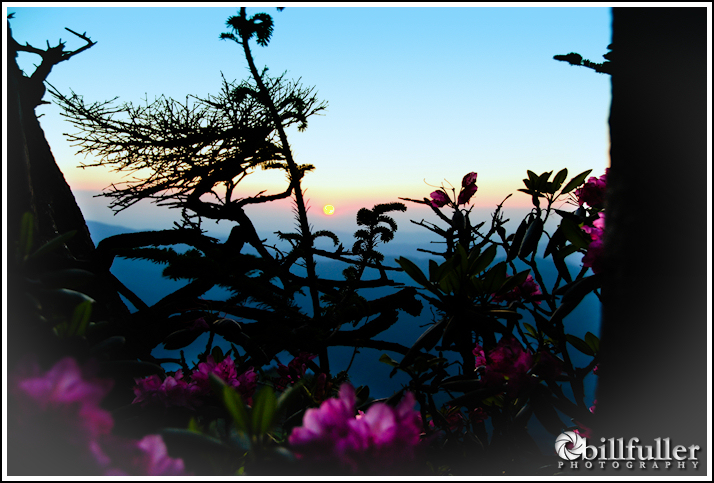
Nature’s Remedy

Flora, Macro 2 Comments »
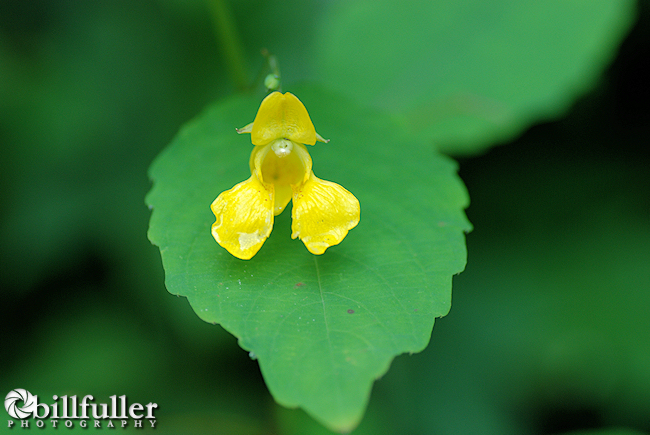
Nature almost always provides a remedy for her poisons.  In the case of Poison Ivy, the remedy is a plant called Jewelweed (also referred to as a Touch-Me-Not).  And yes, it sometimes grows in the same areas that you’ll find Poison Ivy.  This time of year Jewelweed is flowering with the small pretty yellow flower (seen above), or with a brighter orange flower of the same shape.

This is a very powerful remedy and will normally stop the itching and spreading of Poison Ivy very quickly.  Simply crush up some leaves and rub them on the infected areas.  Or, if you know that you’ve come in contact with Poison Ivy, rub the Jewelweed leaves on your skin, and you may not get infected at all.  You can also slice open the stem of the plants and rub the liquid on your skin.  I’ve read that Jewelweed with the orange flowers (called Spotted Touch-me-nots) may be more effective than the Yellow Jewelweed, so if you see both growing in the same area (which is very common), opt for the plants with the orange flowers.

You can also freeze and save Jewelweed for later use.  Chop up leaves and boil in water until you get a dark orange liquid (again using the plants with orange flowers).  Strain that liquid and pour and freeze in ice trays.  It will keep in the freezer for up to one year.  Just rub that ice cube on the infected areas and you’ll be amazed at the healing properties.

By the way, everything above the ground on the Jewelweed plant is edible, and the flowers also make a good digestive tonic.
Ebony Jewelwing

Critters, Macro 1 Comment »

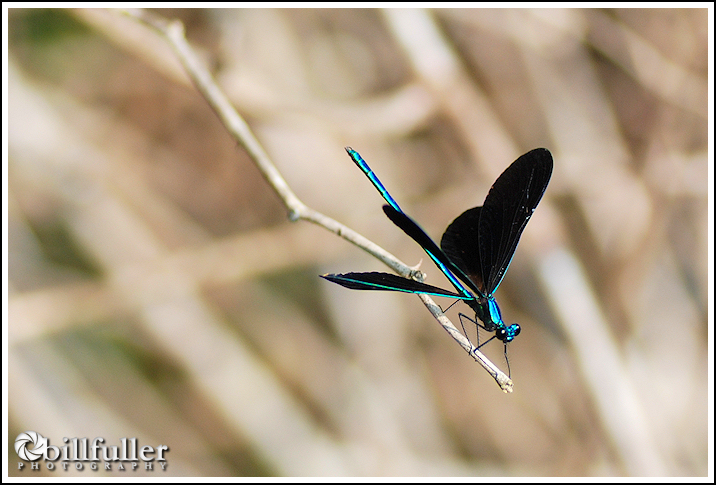
I believe this to be an Ebony Jewelwing Damselfly.  In comparison to Dragonflies, Damselflies normally have a very narrow abdomen and while at rest their wings tend to lay together just above the abdomen (as this one did, however I captured this image just before it took flight).  Damselflies also have eyes that are far apart, while Dragonflies have eyes that normally touch.

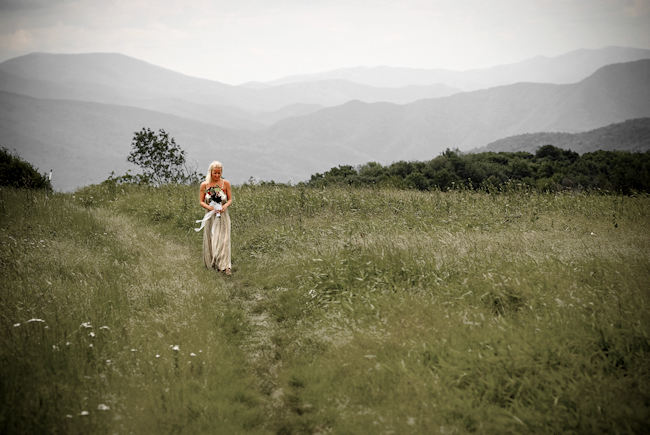
Beautiful Bride

Events, Landscape, People 2 Comments »

On the Appalachian Trail at “Beauty Spot”, near Erwin, Tennessee.

Hubbardton Battlefield

Landscape 5 Comments »

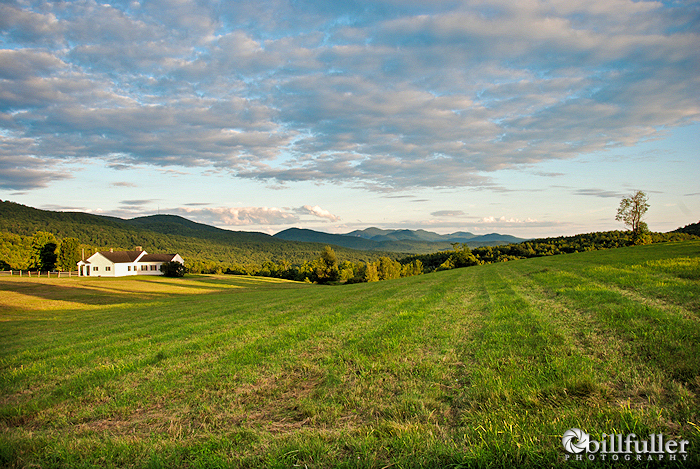
The only battle fought on Vermont soil during the American Revolution took place on the Hubbardton Battlefield on July 7, 1777.  This battle was important because it slowed the progress of the British forces long enough for the main body of the American Army to escape during their retreats from the forts at Ticonderoga and Mount Independence on Lake Champlain.

The Green Mountain Boys of New England stayed behind at the crest of this field to fight and hold back the massive Redcoat Army long enough for the retreat to take place.  And while the British  technically won the battle, their losses were so heavy that they gave up chasing the Americans to tend to their casualties.  Approximately 10 weeks later,  after the battles of Saratoga, British General John Burgoyne surrendered his entire Army.

Bird’s Eye

Critters, Landscape 1 Comment »

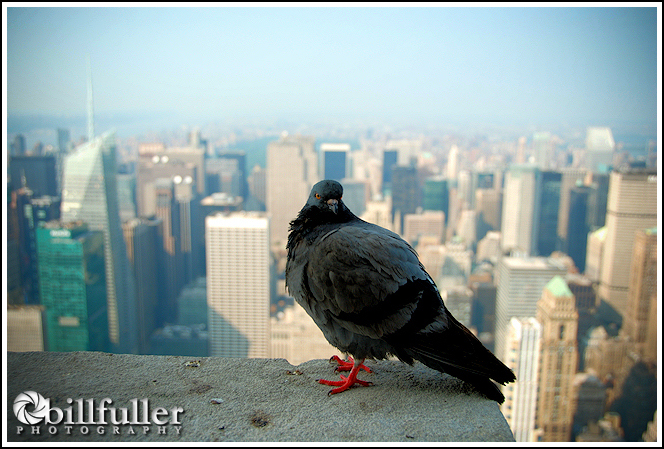
A bird’s eye view from atop the Empire State Building in New York City.

Prospect Rock

Landscape 1 Comment »

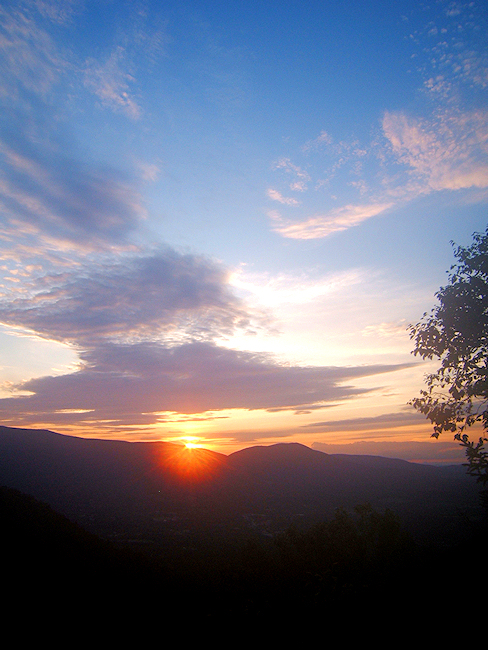
This sunset was shot on the Appalachian Trail in Vermont at an overlook called “Prospect Rock”.  It was taken with a small Fuji point and shoot camera.

Garden Spider

Critters, Macro, Photography Tips 3 Comments »

I believe this big spider is referred to as a Yellow Garden Spider.  Found on a Holly bush on my front porch.

Photography Tip: I shoot most of my macros with a Tamron 90mm f/2.8.  However, if you are interested in shooting close-ups, but would like to try a less expensive route, then you might want to get a reversing ring for your 50mm lens.

The above shot was done with a Nikon 50mm f/1.8 lens and a BR-2A reversing ring.  The lens attaches to the ring (where a filter normally goes) and then the ring mounts on the camera, making the lens backwards.  This gives you about 1:1.1 magnification for approximately $150 total (lens plus the ring).  There are some downsides though…

You must manually adjust your aperture, and there is also a fixed focal point.  So in order to focus you must physically move the camera closer or farther from the subject, making focusing difficult with an obvious very narrow depth of field.  Finally, you must also get very close to your subject.  In the above photo, I was just a couple inches from the spider…  the image has not been cropped.

Old Fence

Landscape 1 Comment »

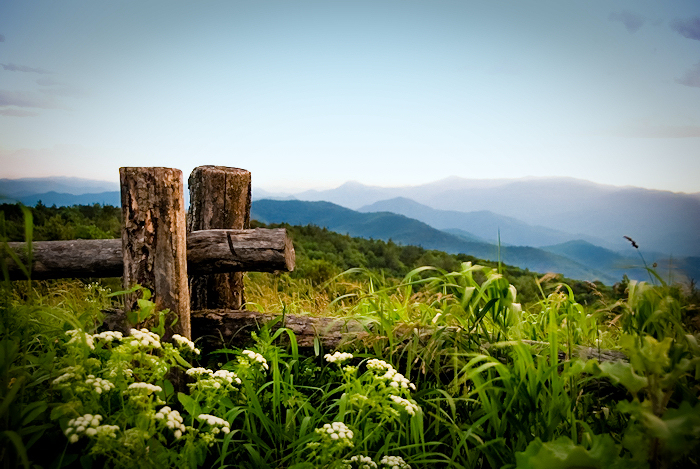
Old fence at Beauty Spot, near the Appalachian Trail in East Tennessee.

Happy 4th!

Abstract No Comments »

Independence Day fireworks celebration held in Johnson City, Tennessee.

Sunset Rock

Landscape 3 Comments »

I snapped this beautiful sunset on a pretty overlook on Roan Mountain called “Sunset Rock”.